
Sentinel ICBM first flight date now in flux, Air Force says
The troubled ICBM program was supposed to fly for the first time in 2026, but now the Air Force says that the date is unknown.
The troubled ICBM program was supposed to fly for the first time in 2026, but now the Air Force says that the date is unknown.

“Part of the requirements, initially — ten years ago when this program was started — was to reuse the holes, the missile holes at the launch facilities,” said Air Force Gen. Thomas Bussiere. “Shockingly enough, if we look at it, that may not be the answer.”


Cybersecurity skills must evolve in near-real time as Zero Day threats continue and AI provides new challenges.

The US bomber fleet has been off alert since 1991, but the nuclear threats of China, Russia and North Korea means it's time to go back to the Cold War posture, argue two nuclear power advocates.
“I think there are elements of the ground infrastructure where there may be opportunities for competition that we can add to the acquisition strategy for Sentinel," said Andrew Hunter, the Air Force's top acquisition official.
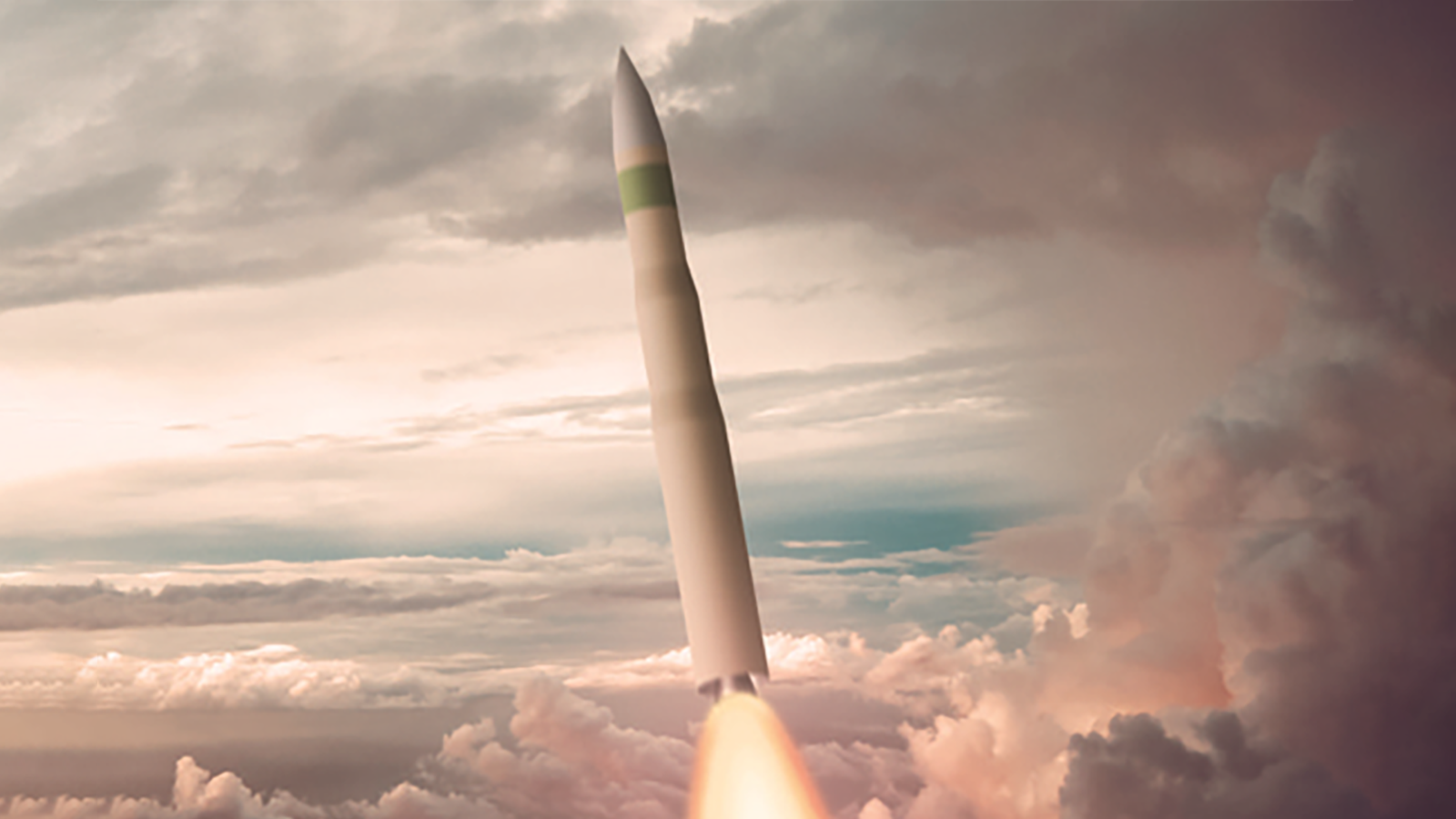
A new watchdog report warns of a year-long delay for America's next ICBM, as well as potential schedule slips for F-15EX, KC-46A and the Air Force One replacement.

The new reentry vehicle will be mounted on the Sentinel intercontinental ballistic missile, with the goal of awarding a contract in fiscal 2026.


Blending superior optics, advanced stabilization and AI-powered autonomy in a compact and rugged system, ASELFLIR 600 delivers unmatched intelligence, surveillance and reconnaissance (ISR) capabilities.
As officials described how they'll spend billions on America's nuclear arsenal and presented rosy outlooks, California's Rep. John Garamendi retorted, "The fact of the matter is every single one of these systems are behind schedule and over budget, every single one of them."
Seeking to pivot to a new generation of air power by fielding platforms like the Next Generation Air Dominance Fighter, the Air Force is planning significant investments into future technologies, according to service budget documents, which also show that fiscal 2024 could be a turning point for hypersonics.
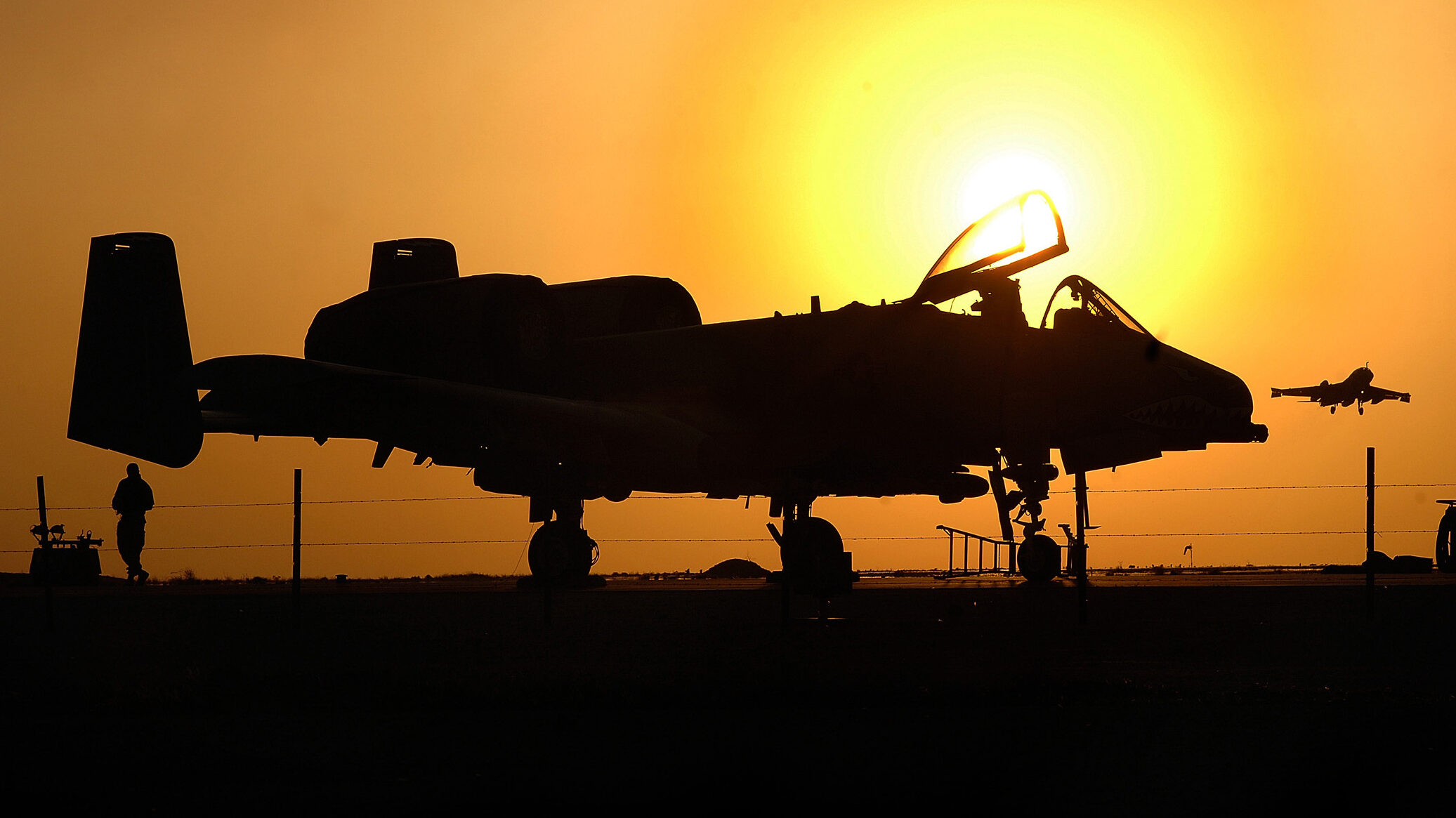
Building off trends established by the fiscal 2023 budget, the service is asking for even more retirements in FY24 while seeking to launch new efforts like a program to field autonomous wingmen. “We've built a budget that we think has a reasonable balance between current-, midterm- and longer-term investments, if you will, or capabilities,” Air Force Secretary Frank Kendall said.
According to the Congressional Research Service, due to its modular design and increased throw weight, the Sentinel ICBM could be equipped "with two or three warheads to meet the international security environment."
Michigan’s defense ecosystem and expertise makes it a special asset for production.
The scale of the silo conversion effort is something the Air Force nuclear complex hasn't seen in "over 50 or 60 years," Lt. Gen. James Dawkins, deputy chief of staff for strategic deterrence and nuclear integration, said today.
The new ICBM and B-21 bomber will be a “stabilizing force” for strategic deterrence that is born digital to meet evolving threats.

“Ideally, I'd like to get to higher [fighter procurement rates],” Air Force Chief of Staff Gen. CQ Brown said. “If I had a big blank check, I'd actually take care of it all.”
The name Sentinel conjures the idea of a soldier tirelessly keeping watch — not unlike the poor souls pulling a marathon 72-hour alert during the a blizzard at Minot Air Force Base, N.D.